

Dog Spay Incision Lump: Is This Normal?
You’ve brought your dog home after her spay surgery, and everything seems fine… until you notice a small lump near her incision. Your heart skips a beat as you wonder if it’s normal or something serious. The truth is, a dog spay incision lump can be a typical part of the healing process, but in some cases, it can signal an underlying issue that needs attention. In this blog, Groveport Canal Animal Hospital in Groveport, OH, explains the most common causes of incision lumps, what to watch for, and when to call (614) 836-3222 for an exam.
What to Expect After Your Dog’s Spay Surgery
After your dog’s spay surgery, her body begins to heal immediately. A small lump or bump near the incision is fairly common within the first few days. This lump can appear firm or soft depending on the stage of healing, and it often results from mild swelling, a small fluid pocket (seroma), or scar tissue. The body naturally responds to surgery with inflammation and tissue repair. As the incision heals, new collagen forms, creating firmness around the area.
This process can make a dog spay incision lump noticeable for several weeks after surgery. However, it’s important to monitor your dog’s recovery closely. While some swelling is expected, significant changes in size, color, or discharge may indicate that something more serious is happening. If you ever feel unsure, call Groveport Canal Animal Hospital at (614) 836-3222 or schedule an appointment online. Our veterinary team can examine your dog’s incision and ensure her healing is progressing properly.
Causes of Lumps Near a Spay Incision
A lump near the incision can develop for several different reasons. Some are harmless, while others may require veterinary attention.
Normal Post-Surgical Swelling
A small, firm bump under the incision line often occurs because of the body’s natural healing process. This swelling usually appears within the first few days after surgery and gradually decreases as the tissue repairs itself. If your dog’s lump remains small, isn’t painful, and doesn’t ooze, it’s often just part of normal healing. Keeping your dog from licking or scratching the area helps prevent irritation.
Seroma (Fluid Build-Up)
A seroma is one of the most common explanations for a dog spay incision lump. This is a soft, fluid-filled pocket that can develop under the skin near the incision site. Seromas form when fluid collects in the space left by surgery, especially if the dog has been too active during recovery. Seromas often feel squishy to the touch and may move slightly under the skin. While most are harmless and reabsorb naturally, they can sometimes become infected or uncomfortable if not monitored.
Reaction to Sutures
Dogs can sometimes develop a small lump or nodule where their body reacts to the internal sutures. This type of reaction occurs when the body’s immune system identifies the suture material as foreign and forms a protective lump around it. Suture reactions usually feel firm and develop a few weeks after surgery. They often resolve on their own as the sutures dissolve, but any increase in size or signs of infection (redness, warmth, or drainage) should be checked by your veterinarian.
Incision Infection
An infected dog spay incision lump may appear red, swollen, warm, or painful. Pus or discharge may be visible, and your dog might lick or bite at the area more frequently. Some dogs may even become lethargic or lose interest in food. An infection requires prompt veterinary care. Early treatment helps prevent the infection from spreading and ensures your dog’s incision heals correctly.
Hernia Formation
In rare cases, a lump near the incision could indicate a hernia. This happens when part of the internal tissue pushes through a weak spot in the surgical site. Hernias may appear as a soft or bulging lump that doesn’t go away and might increase in size when your dog stands or barks. A hernia should always be evaluated by your veterinarian. While not common, surgical correction may be needed to protect your dog’s internal organs.
How to Monitor a Dog Spay Incision Lump
Careful observation is one of the most important things you can do after your dog’s spay surgery. Monitoring her incision helps you catch potential issues early and support proper healing.
Watch for Changes in Appearance
Check the incision at least once a day in a well-lit area. Look for differences in size, color, or texture. A dog spay incision lump that remains consistent in size and appearance is usually normal. However, any rapid growth, redness, or oozing should prompt a call to your veterinarian.
Limit Activity
Excessive activity too soon after surgery can lead to swelling or seroma formation. Keep your dog calm for at least 10–14 days post-surgery and avoid running, jumping, or rough play. Crate rest or leash walks can help her stay relaxed during this period.
Use an E-Collar or Recovery Suit
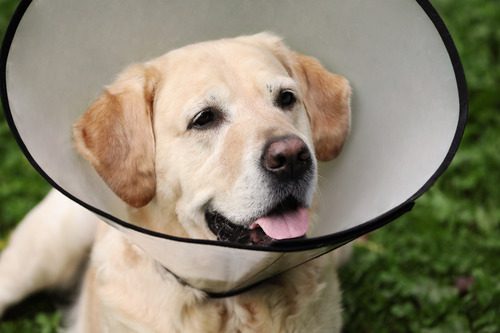
Licking or chewing at the incision can introduce bacteria or reopen the wound. An Elizabethan collar (E-collar) or soft recovery suit prevents your dog from irritating the area, giving it time to heal undisturbed.
Maintain a Clean Environment
Keep your dog’s bedding and resting area clean and dry. Avoid bathing or swimming until your veterinarian confirms the incision has fully healed. Clean surroundings reduce the risk of infection and irritation.
When to Contact Groveport Canal Animal Hospital
While mild swelling or firmness can be normal, certain symptoms indicate your dog’s spay incision lump may need professional attention. Call us at (614) 836-3222 or book an appointment online if you notice any of the following:
- The lump is growing in size or feels unusually warm
- Redness, bruising, or foul-smelling discharge is present
- Your dog is excessively licking or biting the incision
- The area appears painful or your dog whines when touched
- Your dog has a fever, loss of appetite, or decreased energy
These signs may suggest infection, suture reaction, or other complications that need veterinary evaluation. Our team at Groveport Canal Animal Hospital can assess the incision, identify the cause, and provide appropriate care to help your dog heal safely.
Helping Your Dog Heal Comfortably
Supporting your dog’s recovery after spay surgery goes beyond watching for a lump. Creating a calm environment, offering gentle reassurance, and following your veterinarian’s post-operative instructions all play a major role in successful healing.
Encourage Rest and Routine
Dogs thrive on consistency. Maintaining a predictable schedule for feeding, walks, and rest can reduce stress and help your pet recover more smoothly. Avoid introducing new activities or changes until your veterinarian gives the all-clear.
Keep Checkups on Schedule
Follow-up appointments allow your veterinarian to monitor incision healing and ensure everything looks normal. Even if your dog spay incision lump seems minor, these visits provide reassurance and catch subtle issues early.
Monitor Overall Health
Healing isn’t just about the incision. Keep an eye on your dog’s behavior, appetite, and bathroom habits. A sudden change in any of these areas can signal discomfort or delayed recovery.
Helping Your Dog Recover with Confidence
A dog spay incision lump can be unsettling, but in many cases, it’s a normal part of healing. Staying observant, maintaining a clean environment, and following your veterinarian’s instructions can make the recovery process smooth and stress-free. If you ever have concerns about your dog’s incision or notice something unusual, contact Groveport Canal Animal Hospital in Groveport, OH, at (614) 836-3222 or book an appointment online. Our caring team is here to help your pet recover safely and get back to feeling her best.